
« Play is a sign that children feel safe and nurtured and loved. They feel somewhat that they can be children even in the midst of great difficulty. »
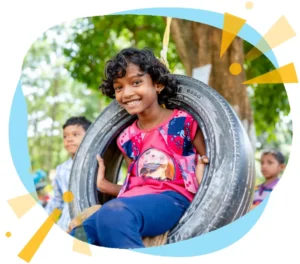 Play Makes A Better World
International Day of Play, observed on 11 June 2024, marks a significant milestone in efforts to preserve, promote, and prioritize playing so that all people, especially children, can reap the rewards and thrive to their full potential.
Beyond mere recreation, play is a universal language spoken by people of all ages, transcending national, cultural, and socio-economic boundaries. This shared passion fosters a sense of community and national pride.
It also fosters resilience, creativity, and innovation in individuals. For children in particular, play helps build relationships and improves control, overcome trauma, and problem-solving. It helps children develop the cognitive, physical, creative, social, and emotional skills they need to thrive in a rapidly changing world.
Restricting opportunities for play directly impedes a child’s well-being and development. In educational settings, play-based learning has been recognized as an effective approach to engage students actively in the learning process. It helps make learning more enjoyable and relevant, thereby enhancing motivation and retention of information.
Moreover, play is considered to have a positive impact on promoting tolerance, resilience, and facilitating social inclusion, conflict prevention, and peacebuilding. In recognition of this, the United Nations Convention on the Rights of the Child has enshrined play as a fundamental right of every child under Article 31.
The international day creates a unifying moment at global, national, and local levels to elevate the importance of play. It signals a call for policies, training, and funding to get play integrated into education and community settings worldwide.
2026 Theme: Protect Play, Protect Childhood
Throughout June, UNICEF will also be promoting expert tips and guidance for parents on everything from the science of play to fun activities for all the family. Recognizing that increasingly play happens online, the agency is equipping parents with guides and explainers on how to help keep their children’s online experiences safe and positive.
Did You Know?
- 71% of children say play is important because it makes them happy, and 58% say that it helps them make friends and have a good time with others.
- It is estimated that 160 million children around the world are working instead of playing or learning.
- Only 1 in 4 children play out regularly on their street compared their grandparents generation where almost three-quarters said they played outside a few times a week.
- 41% of children had been told to stop playing out by either their parents or other adults such as neighbours.