

Reducing food loss and waste reduces poverty and hunger and contributes to addressing climate change ; food loss and waste accounts for about 7% of global greenhouse gas emissions, while nearly 30% of agricultural land is depleted to produce food that is not consumed.
 Food loss occurs…
- On the farm: shortcomings in harvest timing, climatic conditions, harvesting and handling practices, and product marketing challenges.
- In storage: Inadequate storage and early supply chain decisions lead to a shorter shelf life.
- During transport: Good infrastructure and efficient logistics are key factors in preventing loss.
- During processing and packaging: Processing and packaging play a role in food preservation, and losses often arise from facility deficiencies, technical malfunctions, or human errors.
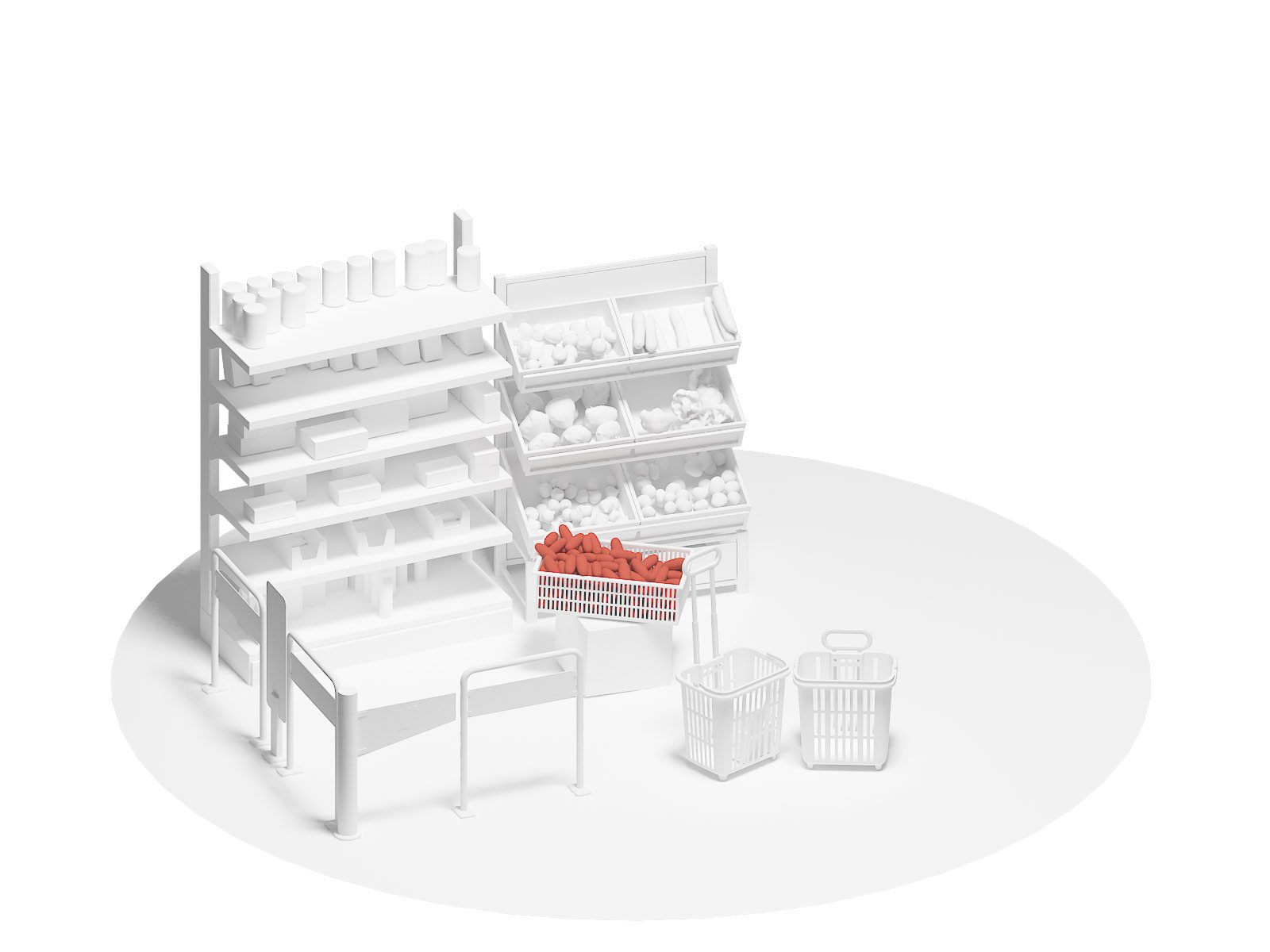 Food waste occurs…
- In the store: The reasons for waste at the retail level are attributed to the short shelf life, appearance requirements in terms of color, shape and size, and fluctuations in demand.
- At home: Consumer waste results from poor planning of purchases and meals, overbuying (influenced by excessive retailing and package sizes), confusion about labels (e.g., Best Before/Use By), and poor home storage.
Source: Text: https://www.fao.org/platform-food-loss-waste/flw-events/international-day-food-loss-and-waste/en