Dipavali (IAST: Dīpāvalī),[a] commonly known as Diwali (/dɪˈwɑːliː/),[4] is the Hindu festival of lights, with variations celebrated in otherIndian religions such as Jainism and Sikhism.[b] It is associated with the spiritual victory or triumph of Dharma over Adharma, light over darkness, good over evil, and knowledge over ignorance.[5][6][7][8] Diwali is celebrated during the Hindu lunisolar months of Ashvin (according to the amanta tradition) and Kārtika – between around mid-October and mid-November.[14] The celebrations generally last five or six days.[15][16]

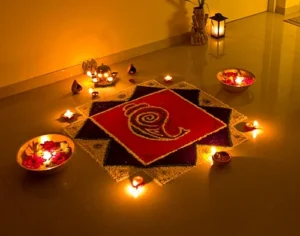 Dipavali (IAST: Dīpāvalī),[a] commonly known as Diwali (/dɪˈwɑːliː/),[4] is the Hindu festival of lights, with variations celebrated in other Indian religions such as Jainism and Sikhism.[b] It is associated with the spiritual victory or triumph of Dharma over Adharma, light over darkness, good over evil, and knowledge over ignorance.[5][6][7][8] Diwali is celebrated during the Hindu lunisolar months of Ashvin (according to the amanta tradition) and Kārtika – between around mid-October and mid-November.[14] The celebrations generally last five or six days.[15][16]